xStocks are not available in the U.S. or to U.S. persons. Geo restrictions apply. Read Kraken's xStocks Risk Disclosure and the Base Prospectus and related Final Terms for more information.
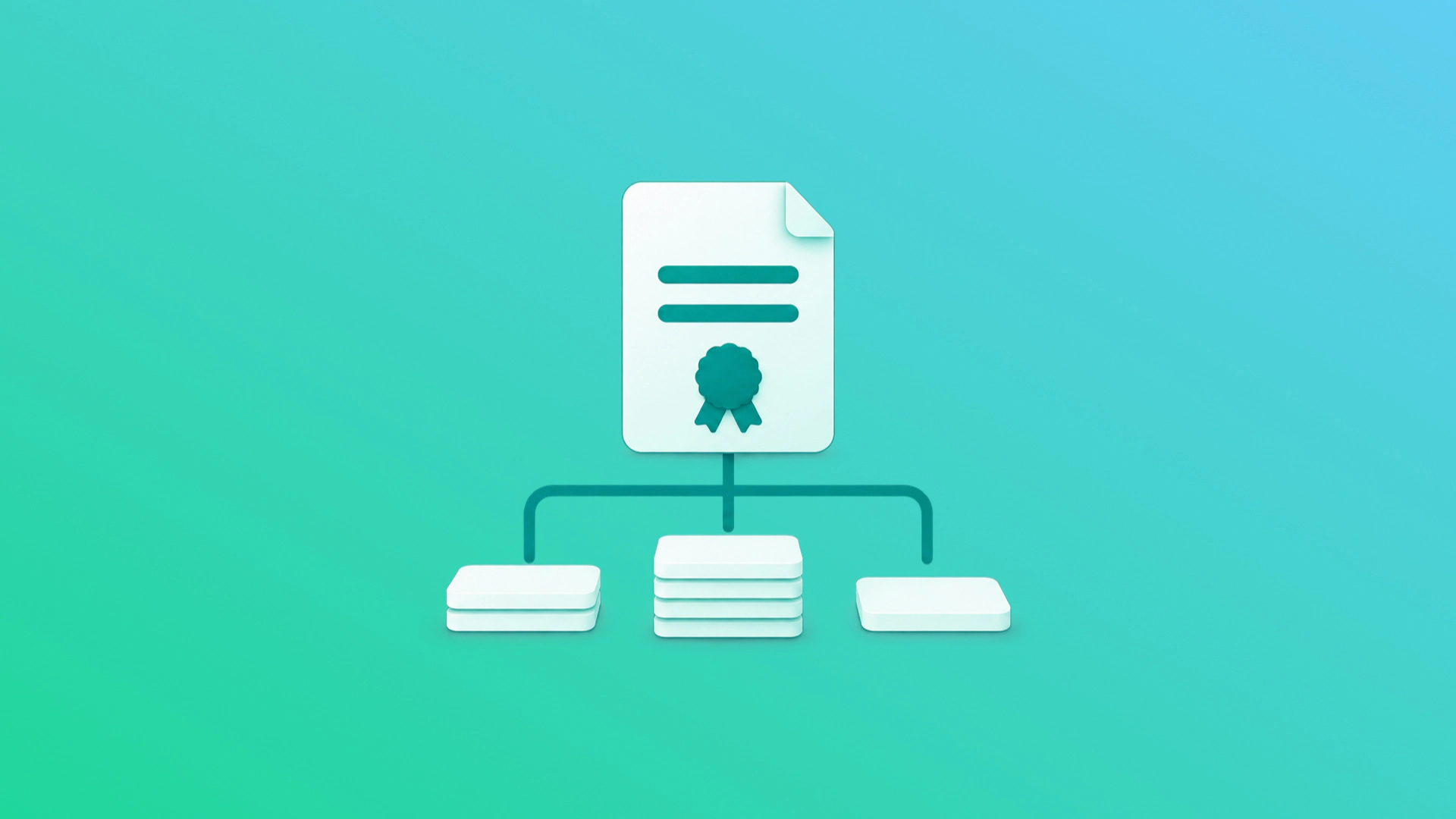
How IPO Allocations Work
Explore how IPO shares are allocated, why allocations vary, and how institutional and retail investors participate.
Key Takeaways
- Expressing interest in an IPO is not the same as purchasing shares.
- IPO allocations are determined before trading begins.
- When demand exceeds supply, investors may receive fewer shares than they requested.
- Institutional and retail investors participate through different distribution channels.
By the time an IPO is ready to begin trading, one important decision has already been made: who receives the available shares.
That decision happens before the stock appears on an exchange. It's part of the IPO process itself and is based on the demand collected during book-building.
Expressing interest isn't the same as buying shares
When investors participate in an IPO, they don't usually place a standard market order.
Instead, they submit an indication of interest, telling the underwriters how many shares they would like to receive within the stated price range. At this stage, the final offering price has not yet been determined.
Once the order book closes, underwriters compare investor demand with the number of shares available.
Why allocations vary
Some IPOs attract more demand than there are shares to distribute.
When that happens, investors may receive fewer shares than they requested—or no allocation at all. An investor requesting 500 shares, for example, might receive 50. Another may receive none.
This process is known as an allocation.
The objective isn't to distribute shares as evenly as possible. It's to complete the offering successfully while building a shareholder base the underwriters believe will support an orderly market once trading begins.
Why institutions receive most allocations
Institutional investors have traditionally played a central role in IPOs because they participate directly in book-building and commit significant amounts of capital.
Retail investors participate differently.
Where retail allocations are available, they are typically offered through brokerage firms that have secured access to part of the offering. Individual investors participate through those distribution channels rather than directly through the underwriting process.
What happens next?
Once allocations are complete, the final offering price is announced.
Successful investors receive their allocated shares, and the company begins trading on a public exchange.
For most market participants, this is the first visible stage of the IPO. Behind the scenes, however, pricing and allocation have already taken place.
More in Learn
Keep reading.
Why IPO Access Differs by Region
Understand why IPO access varies by country, how listing markets shape availability, and where xStocks fits in.
How xStocks Extends IPO Access
Discover how xStocks connects eligible investors to selected IPOs, from expressing interest to receiving tokenized exposure.
What Are Tokenized Equities
Learn what tokenized equities are, how they work, and how they connect traditional stocks and ETFs to blockchain.
Important Information
xStocks are not available in the U.S. or to U.S. persons. Geo restrictions apply. Read Kraken's xStocks Risk Disclosure and the Base Prospectus and related Final Terms for more information. This content is partner enablement material, not investment advice. IPO-related content carries additional communication rules - see the brand kit before repurposing. In the EEA and most countries outside the US, IPO access on Kraken is via xStocks - tokenized securities issued by Backed Assets (JE) Limited pursuant to an EU-registered prospectus, providing price exposure only. xStocks are not equity and confer no voting or shareholder rights. Allocation is subject to underwriter decisions and is not guaranteed; any funds not allocated are returned. The value of investments may go down as well as up. Not available in the U.S. or to U.S. persons, or in the United Kingdom, Canada or Australia. Geo restrictions apply. xStocks are made available in the EEA by Payward Europe Digital Solutions (CY) Limited, regulated by CySEC (licence no. 342/17); and elsewhere by Payward Digital Solutions Ltd., regulated by the Bermuda Monetary Authority.